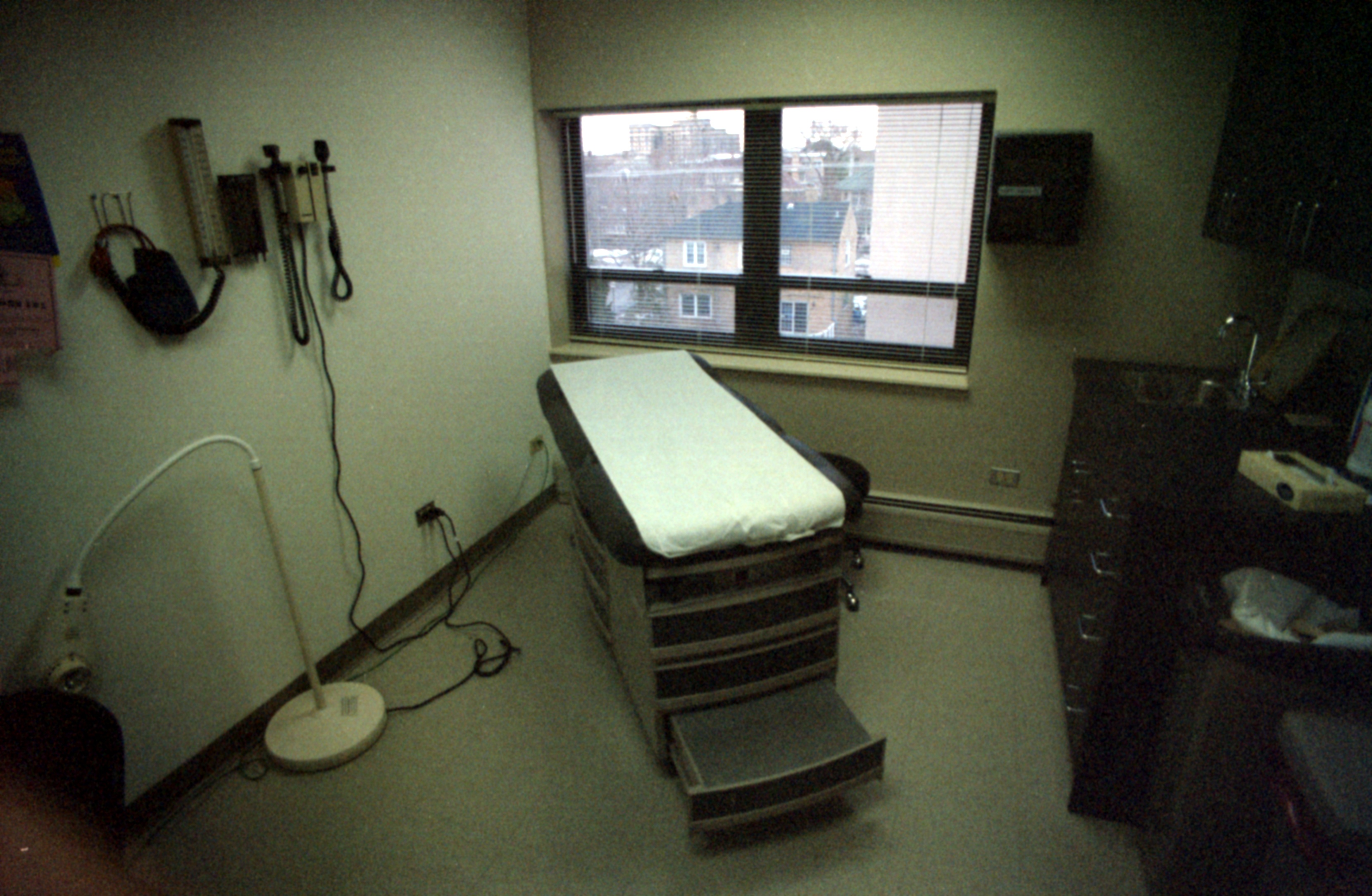
Walk into the records room of an averagely busy Nigerian hospital and you will usually find the same thing: shelves, or stacked cartons, of patient folders, organised by some system that makes perfect sense to the records officer who built it and almost no one else. Find a folder, and there is no guarantee everything in it is current, legible, or even correctly filed under that patient.
This is not a criticism of the staff running these systems. Paper-based records were the only option for most of the 20th century, and they still work, in the sense that hospitals using them keep functioning. The problem is what paper quietly costs a facility every single day: time spent searching, tests repeated because results went missing, and care decisions made with an incomplete picture of a patient's history.
What the policy already says
Nigeria has not been silent on this. The Federal Ministry of Health, working with more than 150 stakeholders across the public and private health and technology sectors, published the National Health ICT Strategic Framework, which set out a plan to digitise health information systems as part of the push toward Universal Health Coverage. That framework has since been built on by the National Digital Health Strategy (2021–2025), and a National Electronic Health Record Bill has been under legislative consideration alongside it.
On paper, the direction is clear and has been for some time. In practice, adoption across the country has been uneven, and a lot slower than the policy timelines suggested.
Why adoption has lagged
The barriers are well documented, and they are mostly structural, not a lack of will:
- Infrastructure. Reliable power and internet connectivity are not guaranteed in every facility that would benefit most from digitisation, particularly outside major urban centres.
- Interoperability. Where digital systems do exist, they often cannot talk to each other. A patient record created in one system is frequently unreadable, or simply inaccessible, to another.
- Training and change management. Moving a records department from folders to software is a workflow change, not just a technology purchase, and it takes deliberate onboarding to stick.
- Cost of entry. Many existing hospital software products were priced or licensed in ways that made sense for large hospitals, but not for the mid-sized clinics and private hospitals that make up most of the sector.
The gap was never really about whether digital records are better. It was about whether a given facility could realistically get there.
What actually changes at the facility level
Set the national policy conversation aside for a moment and look at what changes inside a single hospital once records move off paper:
- A doctor pulling up a patient's history sees their full visit record, not just whatever folder made it to the consulting room that day.
- A lab result is attached to the patient's record the moment it is entered, instead of waiting to be physically filed.
- Antenatal and immunisation schedules can be tracked against a patient automatically, rather than relying on a card the mother is responsible for keeping safe.
- Billing and insurance claims pull directly from the encounter, instead of being reconstructed from paper after the fact.
None of this requires a hospital to wait for a national rollout. It requires a system built for the realities of the facility running it, which is the gap platforms like Elixir were built to close: a single hospital management system covering records, billing, antenatal care, and NFC patient wallets, priced and built for the hospitals actually doing the work, not just the largest ones.
The honest caveat
Digitising records does not fix every problem in a healthcare system, and it is not a substitute for staffing, equipment, or funding. What it does is remove a specific, daily source of friction and risk, the kind that comes from information existing somewhere, on paper, but not being where it is needed when a decision has to be made.